Understanding the Benefits of Kids Kitchen Playsets
Play kitchens have transcended the realm of mere toys, evolving into integral tools for childhood development. These imaginative playsets serve not just as a source of entertainment but as platforms for nurturing essential skills. Whether your child is playing chef or server, the interactions fostered within these miniature kitchens enrich their growth. When exploring options, kids kitchen sets come in various shapes and materials, each offering unique benefits that cater to different play styles and learning opportunities.
What Skills Do Kids Develop with Kitchen Play?
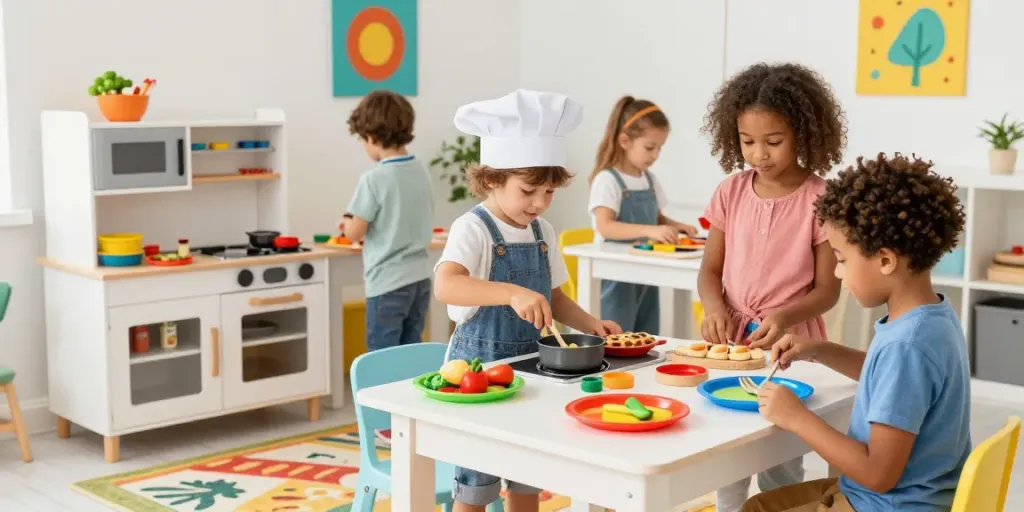
Kitchens for kids are essential for fostering critical developmental skills. During play, children engage in role-play, enhancing their cognitive abilities and social skills. The act of mimicking real-life situations allows them to process and understand concepts such as sharing, cooperation, and responsibility. Additionally, as they pretend to cook, children develop fine motor skills through the manipulation of utensils, food items, and the kitchen setup. This dexterity is crucial for their overall physical growth.
How Play Kitchens Foster Imaginative Learning
Imagination is at the heart of childhood learning. Play kitchens encourage toddlers and young children to think creatively as they concoct recipes for their imaginary dishes. This imaginative play promotes not just creativity but problem-solving skills as children make decisions about what to prepare and how to present their food. As they imitate adult behaviours, they gain insights into the routines and tasks associated with cooking, all while developing a narrative around their play, which is vital for language development.
The Social Benefits of Cooking Together
Cooking is often a communal activity that children can enjoy with family, friends, or siblings. When kids use their kitchen sets together, they learn the value of teamwork and communication. Sharing tasks, such as chopping, stirring, or serving, helps establish a sense of camaraderie. This interaction can lead to enhanced social skills, making it easier for them to engage with peers outside the play environment. Overall, collaborative cooking fosters emotional intelligence as children learn to express empathy and understand differing perspectives during playtime.
Choosing the Right Kids Kitchen for Your Child
Selecting the perfect kitchen set requires careful consideration of various factors that will impact your child’s play experience. From size and design to material and features, each aspect plays a role in enriching your child's imaginative journeys.
Factors to Consider When Selecting a Kitchen Set
When selecting a kids kitchen playset, think about the space available at home, the age of your child, and their interests. Young children, typically aged 2 to 6, benefit from kitchens that have simplified features and accessible storage. Look for adjustable elements and adaptable designs that can grow with your child, ensuring that your investment lasts. Additionally, consider the ease of assembly and maintenance, as these factors can influence the longevity and usability of the kitchen.
Comparing Wooden and Plastic Kids Kitchens
Wooden and plastic kitchens offer unique advantages and potential drawbacks. Wooden kitchens tend to be sturdier and more aesthetically pleasing, often resembling real kitchen furniture. They provide a tactile experience that enhances imaginative play but can come at a higher price point. On the other hand, plastic kitchens are usually lighter, easier to clean, and often more affordable, making them an attractive option for parents seeking budget-friendly solutions. Consider durability, aesthetics, and how easy each material is to manage when making your choice.
The Best Brands for Quality Play Kitchens in 2026
As the market for kids kitchen sets grows, several brands have established themselves as leaders in quality and innovation. Companies like KidKraft, Melissa & Doug, and Step2 offer a range of options that cater to various tastes, budgets, and developmental needs. Each brand features distinct characteristics, from modern designs to classic aesthetics, ensuring that parents can find the right fit for their home and their child’s preferences.
Creative Activities to Enhance Kids Kitchen Play
Enhancing the play experience with creative activities can amplify the educational benefits of kitchen sets. Here are some ideas to inspire engaging playtime.
Fun Themed Cooking Games and Scenarios
Themed cooking games can elevate the play experience significantly. Set up a pizza night where children can create their own pizza menus, choose toppings, and even set the table! Ideas can range from a tropical smoothie bar to a bakery where children can “bake” and decorate cakes. Such activities encourage storytelling and spark creativity while teaching children about different cultures and cuisines.
Integrating Educational Aspects into Kitchen Play
Integrating learning aspects into kitchen play can be both enjoyable and valuable. Use measuring cups and scales to teach children about numbers and basic math concepts as they “prepare” recipes. Discuss nutrition and the importance of healthy eating, helping children understand the food groups and making informed choices as they play. This not only adds depth to their play but also instills essential life skills.
Seasonal Cooking Ideas for Kids
Seasonal themes offer a wonderful way to keep kitchen play fresh and exciting. In autumn, you might explore pumpkin recipes, while spring could inspire activities around fresh vegetables and salads. Summer can be a time for ice creams and smoothies, and winter could focus on festive meals and treats. Encouraging children to engage with seasonal changes helps them appreciate the world around them and enhances their connection to food.
Safety Tips for Kids Kitchen Playtime
While play kitchens are generally safe, it’s vital to follow safety guidelines to ensure your child enjoys a secure play environment.
Ensuring Safe Play with Kitchen Toys
Always ensure that kitchen pieces are age-appropriate and free from small parts that could pose choking hazards. Opt for kitchens that have rounded edges and non-toxic materials. Regularly check the playset for wear and tear; any broken parts should be replaced immediately to prevent injury during play.
Supervision Guidelines for Younger Children
Younger children, especially those under the age of four, should always be supervised while playing with kitchen sets. Engaging with your child during playtime not only ensures safety but also creates opportunities for bonding and teaching. Encourage them to ask questions or describe their cooking process to enhance their verbal skills.
Maintaining a Clean and Safe Play Environment
Keeping the play area clean is essential for safety. Regularly clean kitchen toys to prevent the buildup of dirt or bacteria. Teach your child the importance of tidying up after play, fostering a sense of responsibility and care for their belongings.
Future Trends in Kids Kitchen Sets
The landscape of kids kitchen sets continues to evolve, incorporating new ideas and technologies to enhance play and learning experiences.
Innovative Features to Look for in 2026
As technology advances, expect to see innovative features in play kitchens such as interactive sound effects, smart technology, and augmented reality capabilities that allow children to experience cooking in unique ways. Consider kitchens that offer customizable elements, allowing children to personalise their play environment.
Eco-Friendly Materials and Sustainability in Kids Kitchens
Parents are increasingly making eco-conscious decisions, leading to a rise in kitchens made from sustainable materials. These options are not only better for the environment but often also safer for children. Look for brands that prioritise eco-friendly practices in manufacturing and packaging.
The Role of Technology in Future Play Kitchens
As technology continues to permeate every facet of life, kids kitchen sets are likely to incorporate more tech features. Imagine kitchens that connect to mobile apps for cooking tutorials or virtual cooking classes that teach children basic culinary skills in an engaging way. Such advancements could facilitate both play and learning, making kitchen play more relevant in a tech-driven world.
Frequently Asked Questions about Kids Kitchen Sets
What is the best kitchen for kids?
The best kitchen for kids varies by age and preference. Look for sets that encourage imaginative play, are durable, and are made from safe materials. Options from reputable brands are a great starting point.
What age to get rid of kids kitchen?
Generally, children may outgrow their play kitchens around the ages of 6 to 8, although this can vary depending on the child's interest and creativity. It's important to assess if your child is still engaging with it as they grow older.
How much does a kitchen set for kids cost?
The cost of kids kitchen sets can range widely, typically between £50 and £250, depending on size, material, and brand. Look for quality over quantity, ensuring it meets safety standards and is durable for prolonged use.
Where can you buy kids kitchens?
Kids kitchens are available at various retailers, both online and in-store. Popular options include toy stores, department stores, and online platforms such as Amazon and dedicated toy websites.
What are the benefits of wooden vs plastic kitchens?
Wooden kitchens often provide a more durable and aesthetically pleasing option, while plastic kitchens tend to be lighter and more affordable. Each material has its pros and cons, and the choice depends on your child's needs and your budget.